
Arctic Blast Triggers Record Natural Gas Price Surge: What the Extreme Cold Means for Trucking Operations and Fuel Costs
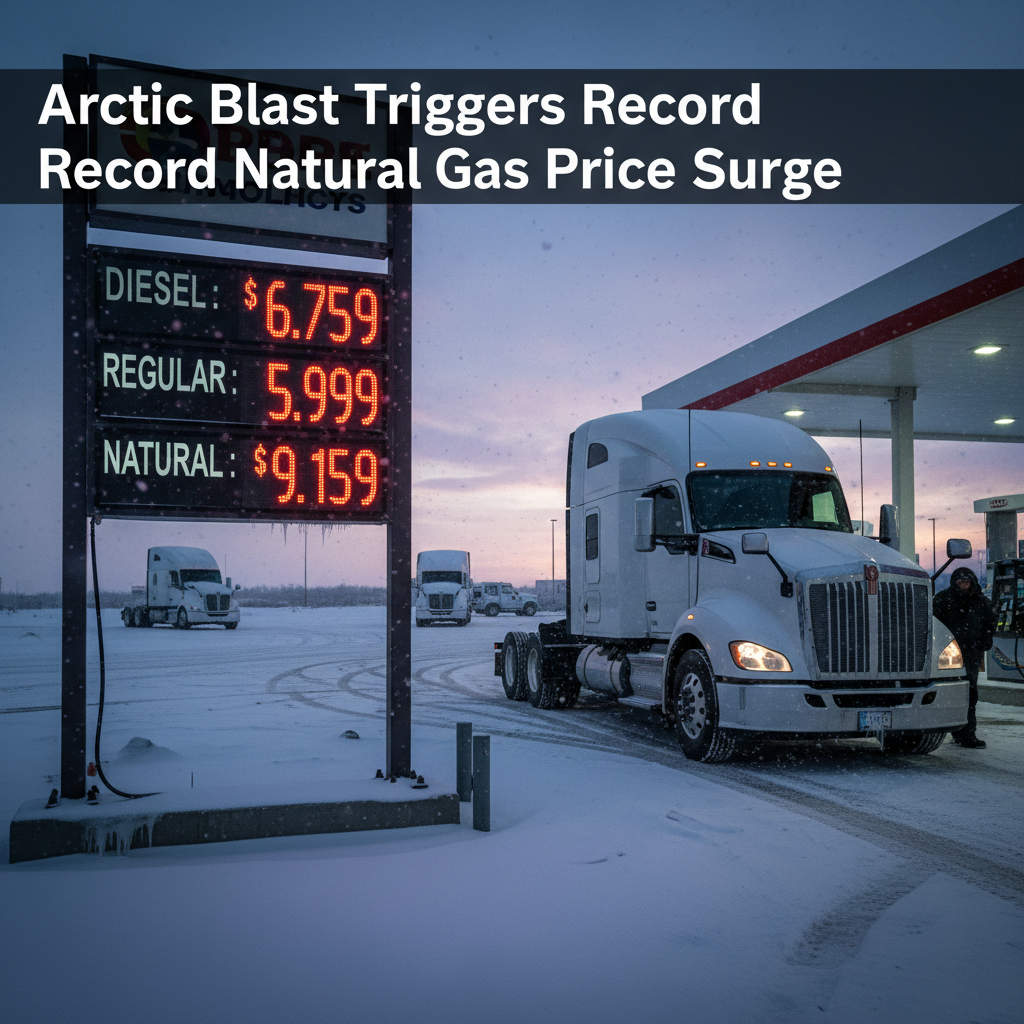
The trucking industry, already navigating complex supply chain dynamics, must now contend with the severe economic fallout from an impending Arctic blast. Recent forecasts predicting extreme, widespread cold across the United States have sent natural gas (NG) prices soaring to unprecedented levels. For CDL drivers and fleet managers, this volatility is not just a headline; it translates directly into operational challenges, potential supply disruptions, and significantly higher costs, especially for fleets utilizing LNG or facing increased diesel expenses due to refinery issues.
The Anatomy of the Natural Gas Price Spike
In a dramatic display of market sensitivity to weather, U.S. natural gas futures for near-term delivery experienced a historic surge, logging the largest weekly percentage gain on record. This massive spike was driven by the expectation of a historic winter storm poised to send temperatures plummeting across key regions, dramatically increasing demand for heating fuel. The core issue is the strain placed on the supply infrastructure. When demand spikes and temperatures drop severely, the risk of ‘freeze-offs’—where water icing disrupts gas production and pipeline flow, particularly in southern gas-producing states—becomes acute. This dual pressure of soaring demand and constrained supply creates a perfect storm for price escalation.
Specifically, the market saw February futures jump approximately 70% in a single week. While futures trading provides a benchmark, the impact on regional spot prices was even more severe. Cash prices at major hubs like the benchmark Henry Hub in Louisiana skyrocketed well above normal levels, and regional indices, such as those serving the Northeast corridor, saw prices trading exponentially higher. This rapid, volatile movement underscores the fragility of energy markets when faced with extreme weather events, making reliable cost forecasting nearly impossible for fleet operators.
Direct Impact on Trucking Operations and Logistics
The immediate concern for the trucking sector revolves around maintaining operational continuity and managing soaring fuel expenses. While most heavy-duty trucks rely on diesel, the natural gas market’s instability has ripple effects that influence overall energy costs and logistics networks. Furthermore, fleets that have invested in Liquefied Natural Gas (LNG) or Compressed Natural Gas (CNG) vehicles as part of their sustainability or cost-saving strategies are directly exposed to this volatility. A 70% increase in the underlying commodity price severely undermines the economic viability of NG-powered fleets during peak winter months.
1. Diesel Price Contamination: Although diesel is refined from crude oil, the overall energy market is interconnected. When natural gas prices spike due to infrastructure strain or high demand, it often pulls other energy commodities higher. Moreover, severe cold weather can disrupt refinery operations, leading to temporary dips in diesel production and distribution bottlenecks. This means that even traditional diesel fleets are likely to see upward pressure on pump prices as the storm hits.
2. Supply Chain Bottlenecks: The primary threat to CDL drivers is the severe weather itself. Arctic blasts bring ice, heavy snow, and dangerously low wind chills, leading to road closures, reduced speed limits, and mandatory shutdowns. This directly impacts delivery schedules and Hours-of-Service (HOS) compliance. Fleet managers must anticipate significant delays, requiring proactive communication with shippers and receivers to manage expectations and avoid costly detention time.
3. Infrastructure Vulnerability: The same freeze-offs that impact natural gas production can also affect other critical infrastructure, including power grids. Widespread power outages along major freight corridors can cripple fueling stations, maintenance facilities, and distribution centers. Drivers need to be prepared for scenarios where reliable services are temporarily unavailable, necessitating careful route planning and ensuring tanks are topped off whenever possible.
4. Regional Price Disparity: The price spikes are not uniform. Trading hubs serving densely populated or supply-constrained regions, like the Northeast (Transco Zone 6) or specific points in California (SoCal Citygate), experience disproportionately higher jumps. Fleet managers running dedicated routes through these high-cost areas must factor in these extreme regional fuel differentials when calculating trip costs and surcharges.
Strategies for CDL Drivers: Navigating the Extreme Cold
For the professional truck driver, safety and preparedness are paramount when facing an Arctic blast. The risks associated with extreme cold go far beyond simply driving on slick roads; they involve equipment failure, health risks, and logistical nightmares.
Vehicle Preparedness and Maintenance:
- Fuel Management: Ensure diesel tanks are treated with anti-gel additives appropriate for the expected temperatures. Untreated diesel can gel, leading to engine shutdown. For LNG/CNG trucks, closely monitor available fueling stations, as supply interruptions are possible.
- Engine and Systems: Perform thorough pre-trip inspections focusing on batteries, coolant levels (ensure proper antifreeze mixture), and air brake systems. Moisture in air lines can freeze, causing brakes to lock up or fail. Drivers should regularly drain air tanks.
- Tire Chains and Traction: Carry and know how to properly install tire chains, especially if traversing mountain passes or areas prone to heavy snow and ice. Ensure tires have adequate tread depth.
Personal Safety and Survival Gear:
- Emergency Kit: Drivers should upgrade their standard emergency kit for extreme cold. This includes extra warm clothing, heavy blankets or a sleeping bag rated for sub-zero temperatures, non-perishable food, water, and a reliable source of heat (like chemical hand warmers or a small, safe propane heater for the cab, used with extreme caution and ventilation).
- Communication: Keep cell phones fully charged and carry an external battery pack. Have emergency contact numbers readily accessible.
- HOS Flexibility: Be prepared to shut down safely if conditions become too dangerous. Drivers should communicate immediately with dispatch if they encounter whiteout conditions or road closures. No load is worth risking life or equipment.
Fleet Management Action Plan: Mitigating Financial and Operational Risks
Fleet managers bear the responsibility of protecting assets, ensuring driver safety, and maintaining financial stability amidst volatile energy markets. The natural gas price surge and the accompanying cold weather require immediate, strategic responses.
1. Dynamic Fuel Surcharges (FSC):
The extreme volatility necessitates a review of existing fuel surcharge mechanisms. If the current FSC is tied only to national diesel averages, it may not adequately cover the sudden, sharp increases in regional diesel or NG costs. Fleet managers should communicate transparently with customers about the necessity of adjusting surcharges to reflect real-time energy costs, particularly for routes passing through high-cost zones. Implementing a temporary, weather-related surcharge might be necessary to avoid absorbing catastrophic losses.
2. Route Optimization and Diversion Planning:
Prioritize loads and routes based on weather forecasts. If an Arctic blast is expected to severely impact a major hub or corridor, consider diverting freight through less affected areas, even if it adds miles. This strategy, while increasing immediate operational costs, minimizes the risk of prolonged delays, cargo damage, and driver exposure.
3. Proactive Communication and Contingency Planning:
Establish clear communication protocols with drivers regarding safe shutdown procedures and emergency contacts. Have contingency plans in place for equipment breakdown in remote or severely cold locations, including pre-arranged towing and repair services that can operate in extreme conditions. Communicate potential delays to customers well in advance, emphasizing that safety is the primary concern.
4. Managing NG/LNG Exposure:
For fleets running natural gas vehicles, this event highlights the risk of spot market exposure. While long-term contracts offer some stability, managers should explore hedging strategies or future contracts to lock in prices during periods of relative calm, mitigating the impact of future, unpredictable weather-driven spikes. Analyze the cost-benefit of switching high-risk routes back to diesel temporarily if the NG price differential becomes too severe.
Long-Term Implications for Energy Independence and Trucking
This record natural gas price spike serves as a stark reminder of the interconnectedness of energy, weather, and transportation logistics. As the trucking industry continues to explore alternative fuels, including hydrogen and electric vehicles, the reliability and price stability of the energy source remain critical factors. The volatility seen in the natural gas market during extreme weather events presents a significant challenge to widespread adoption, reinforcing the need for robust, resilient energy infrastructure across the country.
For CDL drivers, understanding these market forces provides crucial context for the challenges faced on the road—from unexpected delays to the pressure of maintaining efficiency amidst rising operational costs. For fleet managers, the takeaway is clear: preparedness for extreme weather must extend beyond just snow tires; it must include sophisticated financial modeling and proactive communication strategies to survive the inevitable volatility of the winter months. By prioritizing safety and implementing rigorous contingency plans, the trucking industry can weather even the most severe Arctic blasts and their associated economic shockwaves, ensuring the vital flow of goods continues, albeit at a higher cost.
Helpful Resources for CDL Drivers
Comments (0)
Sign in to join the conversation
Sign In to CommentNo comments yet. Be the first to share your thoughts!
Explore More
Driver Resources
Educational guides on CDL licensing, salary expectations, and route planning tips.
Browse CDL Jobs
Find your next driving opportunity. Search by location, route type, and CDL class.
CDL Salary Guide
Understand how pay varies by experience, route type, and location in the trucking industry.