
HOS Emergency Waiver Extended for Fuel Haulers in 10 States Amidst Pipeline Disruptions and Extreme Cold
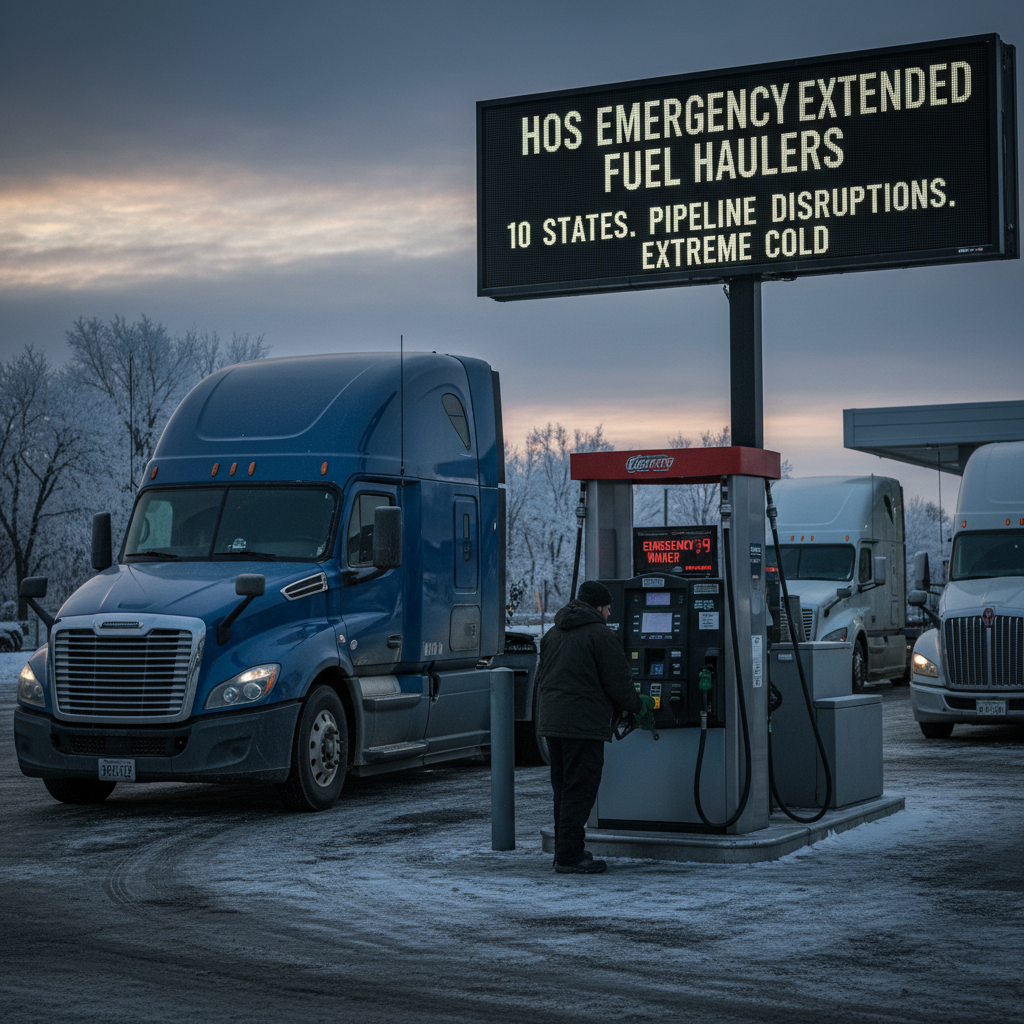
The backbone of America’s economy, the trucking industry, often finds itself on the front lines of national emergencies. Recently, a critical situation involving fuel supply disruptions and severe winter weather has led to a significant development for many CDL professionals: the extension of an Hours of Service (HOS) emergency waiver for a third time across ten states. This crucial decision, impacting drivers transporting vital heating fuels, underscores the resilience of the trucking sector and the essential role it plays in maintaining national infrastructure and public welfare.
Understanding the HOS Waiver: What It Means for Drivers and Fleets
For CDL truck drivers, Hours of Service regulations are a fundamental aspect of daily operations, designed to ensure safety by preventing fatigue. However, in times of crisis, flexibility is sometimes necessary to meet urgent demands. An HOS waiver, granted by the Federal Motor Carrier Safety Administration (FMCSA), temporarily exempts drivers from certain HOS rules, allowing them to operate beyond standard limits to deliver essential goods. In this particular instance, the waiver is specifically tailored for drivers hauling heating fuels, including propane, natural gas, and general heating oil, to the affected regions.
For fleet managers, understanding the nuances of such waivers is paramount. It involves not only communicating the updated regulations to their drivers but also ensuring that operations remain compliant, even with the temporary relaxations. While the waiver offers operational flexibility, it does not negate the responsibility to prioritize driver safety and well-being. Effective dispatching, monitoring driver fatigue, and ensuring vehicles are in top condition remain critical, perhaps even more so during extended operational periods.
The Genesis of the Emergency: Winter Storms, Power Outages, and Pipeline Failures
The initial emergency declaration, which set this chain of events in motion, was first issued on December 12th, 2025. This was a direct response to a confluence of severe winter storms, persistently cold temperatures, and a significant power outage at the Marcus Hook, Pennsylvania, refinery. These combined factors immediately strained the fuel supply chain, making it difficult to deliver necessary heating fuels to homes and businesses.
As the situation evolved, the need for continued relief became apparent. The declaration was subsequently extended on December 23rd, and again on January 15th, highlighting the ongoing challenges. The most recent extension, announced on February 13th, pushes the waiver through February 28th, indicating that the impact of these events is far from over. This series of extensions reflects the severity and prolonged nature of the supply disruptions and weather conditions.
Adding another layer of complexity to the crisis, a secondary emergency declaration was issued following a critical pipeline break and operational issues within the Mid-American Pipeline System. Further exacerbating the problem was an unexpected shutdown of the Robinson Refinery. These infrastructure failures significantly hampered the distribution of fuel, creating a bottleneck that only the swift and dedicated efforts of the trucking industry could hope to alleviate.
The Affected States: A Critical Supply Chain Challenge
The HOS waiver is not a blanket national policy but is targeted at specific areas experiencing the most acute impacts. The ten states included in this third extension are Illinois, Iowa, Kansas, Kentucky, Ohio, Michigan, Missouri, Nebraska, Tennessee, and Wisconsin. These states, primarily in the Midwest and parts of the Mid-Atlantic, are grappling with the dual challenge of extreme cold and compromised fuel supply lines. For drivers operating in or through these states, particularly those specializing in fuel transport, this waiver is a critical tool to ensure communities remain warm and essential services can continue.
For fleet managers with operations in these states, this means a heightened focus on logistics, route planning, and driver availability. The demand for heating fuels will be intense, and the ability to quickly and efficiently move product will be a competitive advantage, while also serving a vital public need. Understanding state-specific regulations and coordinating with local authorities will be crucial for seamless operations.
The Role of CDL Drivers: Unsung Heroes on the Road
In scenarios like this, CDL drivers truly embody the spirit of service and resilience. They are the frontline responders, braving hazardous road conditions and extended hours to ensure that critical supplies reach those who need them most. Hauling volatile materials like heating fuels requires specialized training, extreme caution, and unwavering professionalism. These drivers are not just moving freight; they are delivering warmth, safety, and stability to countless families and businesses.
For many drivers, especially those who often face public misconceptions about their profession, these emergency waivers highlight the indispensable nature of their work. It's a testament to their dedication that they are called upon during times of crisis, often working under immense pressure and challenging conditions. Recognizing and appreciating their efforts is vital, not just from employers but from the communities they serve.
Actionable Takeaways for Fleet Managers and Drivers
For Fleet Managers:
- Stay Informed: Continuously monitor FMCSA announcements and local state advisories regarding HOS waivers and road conditions. The situation can evolve rapidly.
- Prioritize Driver Safety: While the waiver allows for extended hours, driver fatigue remains a serious concern. Implement robust fatigue management strategies, encourage drivers to take necessary breaks, and ensure they have access to adequate rest facilities.
- Communicate Clearly: Ensure all relevant drivers are fully aware of the waiver's specifics, including its duration, the types of cargo covered, and the geographical areas where it applies. Clear communication prevents misunderstandings and ensures compliance.
- Maintain Equipment: Extreme cold and extended operations put extra strain on vehicles. Implement rigorous pre-trip and post-trip inspections and ensure preventative maintenance schedules are strictly adhered to, especially for fuel tankers.
- Logistics and Planning: Optimize routes, consider alternative supply points if primary ones are affected, and collaborate with fuel suppliers to anticipate demand fluctuations.
- Support Your Drivers: Offer additional support, whether it's through increased communication, access to warm meals, or mental health resources. These are challenging times, and driver well-being is paramount.
For CDL Drivers:
- Know Your Limits: Even with a waiver, listen to your body. Fatigue is a major safety hazard. Take breaks when needed, and do not push yourself beyond safe operating limits.
- Understand the Waiver Details: Be clear on what the waiver covers (cargo, states, duration) and what it does not. Ignorance of the rules is not an excuse for non-compliance.
- Pre-Trip Inspections are Critical: Pay extra attention to your vehicle's condition, especially tires, brakes, lights, and fluid levels, given the harsh weather and potential for extended operation. Ensure your heating and defrosting systems are fully functional.
- Road Conditions Awareness: Stay updated on weather forecasts and road closures. Winter driving conditions can be treacherous, and preparedness is key.
- Communicate with Dispatch: Maintain open lines of communication with your fleet manager or dispatcher. Report any issues, delays, or concerns promptly.
- Rest and Recuperate: When off duty, prioritize quality rest. Your ability to perform safely and efficiently depends on it.
The Broader Impact: Resilience of the Supply Chain
This ongoing emergency highlights the critical interdependencies within our national infrastructure. A power outage at one refinery, coupled with pipeline issues and severe weather, can ripple across multiple states, impacting millions. The swift action by regulatory bodies to issue and extend HOS waivers, combined with the tireless efforts of CDL drivers and fleet managers, demonstrates the resilience of the supply chain and the dedication of the trucking industry to overcome formidable challenges.
As the industry continues to navigate these complex situations, the lessons learned will undoubtedly contribute to more robust emergency response protocols and greater appreciation for the vital role truck drivers play in keeping our nation moving, even in the face of adversity. This emergency serves as a powerful reminder that the wheels of commerce, driven by dedicated CDL professionals, are truly essential for the well-being and stability of our communities.
Looking Ahead: Preparedness is Key
While the current waiver is set to expire on February 28th, the unpredictable nature of weather and infrastructure issues means that vigilance is always necessary. Fleet managers should use this experience to review and enhance their emergency preparedness plans, ensuring they have contingencies for future disruptions. This includes diversifying fuel sourcing, investing in robust fleet maintenance, and fostering a culture of safety and adaptability among drivers.
For CDL drivers, continuing to uphold the highest standards of professionalism and safety, even under challenging circumstances, is paramount. Your expertise and dedication are what make it possible to overcome these hurdles. The trucking industry, through its collective efforts, will continue to be the reliable force that delivers when it matters most, ensuring that essential goods reach their destinations, no matter the obstacles.
Helpful Resources for CDL Drivers
Comments (0)
Sign in to join the conversation
Sign In to CommentNo comments yet. Be the first to share your thoughts!
Explore More
Driver Resources
Educational guides on CDL licensing, salary expectations, and route planning tips.
Browse CDL Jobs
Find your next driving opportunity. Search by location, route type, and CDL class.
CDL Salary Guide
Understand how pay varies by experience, route type, and location in the trucking industry.