Navigating the Digital Highway: ACT Expo 2026 Unveils the Future for Truckers and Fleet Managers
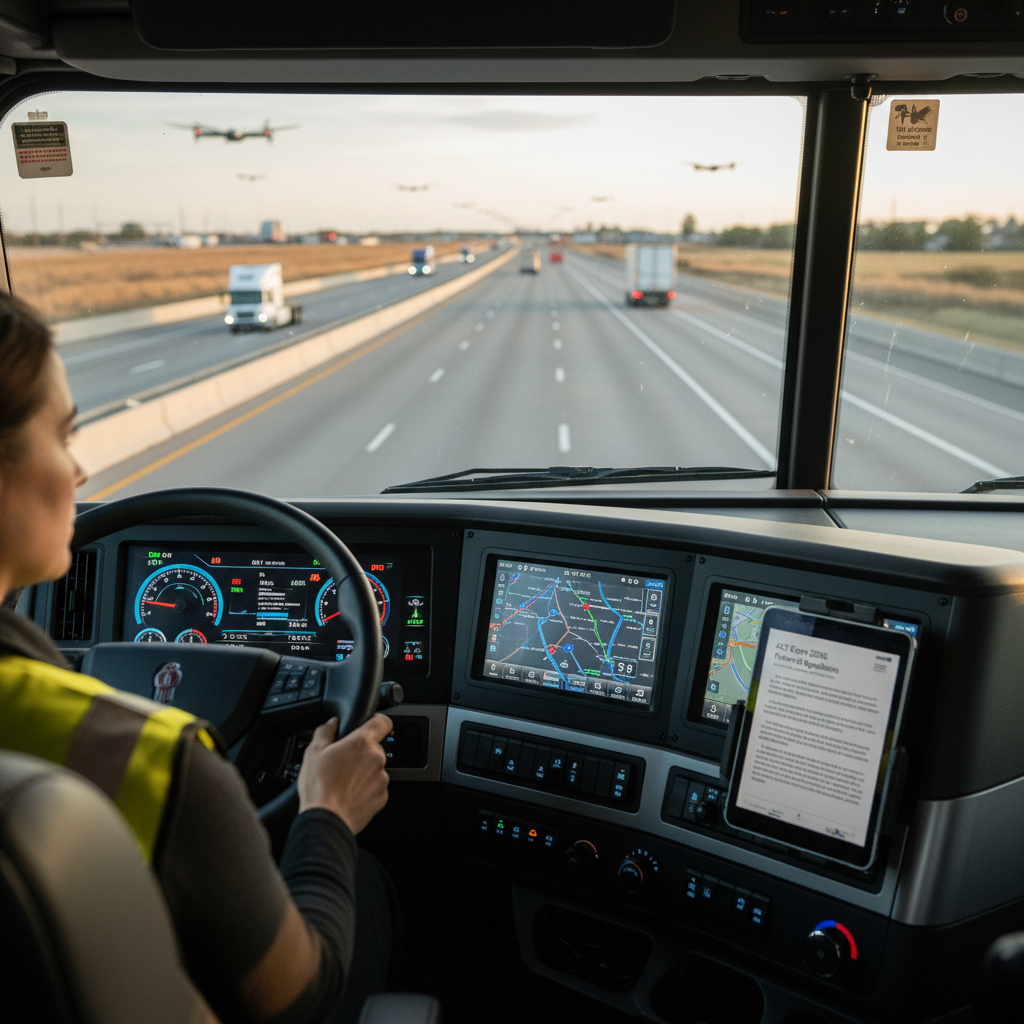
The trucking industry is on the cusp of a monumental transformation, driven by an accelerating wave of digital innovation. For CDL truck drivers and the fleet managers who keep America's supply chain moving, understanding and adapting to these changes isn't just an advantage – it's becoming a necessity. The upcoming ACT Expo 2026, held in the vibrant city of Las Vegas, stands as a critical beacon, illuminating the path forward through this complex technological landscape. Far from being just another trade show, ACT Expo 2026 promises to be the most comprehensive event in its 16-year history, offering invaluable insights into how connected vehicles, advanced safety systems, autonomous advancements, and software-defined vehicles are reshaping commercial transportation.
This year's expo is more than just a showcase of shiny new tech; it's a deep dive into the practical applications and measurable returns that these innovations can offer. With nearly 400 speakers, over 200 vehicles on display for hands-on experience, and an expected attendance of over 12,000 industry professionals, ACT Expo 2026 is poised to be a pivotal moment for anyone involved in the commercial trucking sector. While emerging green technologies will certainly have a prominent presence, the undeniable focus will be on the digital layer that underpins and enhances these advanced vehicle platforms. This shift reflects a maturing industry approach, moving beyond mere innovation to pragmatic advice on achieving tangible benefits for fleets of all sizes.
Erik Neandross, president of Clean Transportation Solutions at TRC and host of ACT Expo, emphasized this evolving perspective in a recent interview. He noted that the event will be heavily anchored by fleet presentations, offering real-world experiences and deployment insights that go far beyond theoretical showcases. "There’s no end to the technology choices, fuel options and drivetrain options available to commercial operators," Neandross stated. "But the key is what really makes sense for them from a financial perspective. Where can fleets expect to achieve equivalent or improved Total Cost of Ownership (TCO) and thus, a return on their investment in a given period of time?" This fundamental question – identifying where true value lies for fleet operators – will be the driving force behind much of the conversation and educational content at ACT Expo 2026. For both owner-operators and large fleet executives, understanding this value proposition is paramount to making informed investment decisions that will impact their bottom line for years to come.
The Digital Frontier: Unlocking Efficiency and Enhancing the Driver Experience
The overarching theme of ACT Expo 2026 is what Neandross aptly terms "the digital frontier." This expansive concept encompasses a wide array of interconnected technologies designed to revolutionize how commercial fleets operate. For CDL drivers, this digital transformation promises a future where their daily tasks are more streamlined, safer, and potentially more comfortable. For fleet managers, it offers unprecedented levels of data-driven insights, enabling optimized routes, reduced downtime, and significant cost savings.
At the heart of this digital revolution are software-defined vehicles (SDVs). While the concept might sound abstract, its implications for truck drivers are profound. SDVs are essentially vehicles whose features and functionalities are largely controlled and updated through software, much like a smartphone. This means that vehicle performance, safety features, and even infotainment systems can be improved or customized over time through over-the-air (OTA) updates. For drivers, this could translate to continuously improving navigation systems, predictive maintenance alerts that prevent roadside breakdowns, and personalized cabin environments. For fleet managers, SDVs offer unparalleled flexibility in managing vehicle capabilities, deploying new features across their fleet with ease, and ensuring their assets remain cutting-edge without constant hardware upgrades.
Real-time data analytics forms another crucial pillar of the digital frontier. Modern commercial trucks are veritable data centers on wheels, generating vast amounts of information about everything from engine performance and fuel consumption to driver behavior and route efficiency. ACT Expo 2026 will delve into how fleets can harness this deluge of data to make smarter decisions. For drivers, this might mean receiving real-time alerts about traffic congestion, weather conditions, or even potential mechanical issues before they become critical. For fleet managers, sophisticated analytics platforms can identify inefficiencies, optimize fuel strategies, predict maintenance needs, and even assess driver performance in a fair and objective manner, leading to better training programs and improved safety records.
Artificial intelligence (AI) in fleet management is rapidly moving from a futuristic concept to a practical tool. While the term "AI" is often loosely used, its application in trucking is becoming increasingly sophisticated. AI algorithms can analyze historical data to predict optimal routing, forecast demand fluctuations, and even manage complex logistics operations with greater precision than ever before. For drivers, AI-powered systems can offer more accurate estimated times of arrival (ETAs), reduce idle time, and suggest safer driving practices based on real-time conditions. For fleet managers, AI can automate dispatching, optimize load planning, and provide predictive insights into market trends, allowing for proactive decision-making that boosts profitability and operational efficiency.
Closely related to AI is the growing role of predictive maintenance. Instead of adhering to rigid maintenance schedules or waiting for equipment to fail, predictive maintenance uses data from vehicle sensors and AI algorithms to anticipate when a component is likely to need service. This proactive approach minimizes unexpected breakdowns, reduces costly emergency repairs, and maximizes vehicle uptime – a critical factor for both drivers and fleet managers. For drivers, this means fewer frustrating delays and a greater sense of reliability in their equipment. For fleet managers, it translates directly into reduced operational costs, improved asset utilization, and a more predictable maintenance budget.
Neandross highlighted the significant value these digital advancements bring: "When a customer is able to make the right technology selections to fit their application and operation, we have seen fleets reporting significant improvements in uptime, asset utilization and productivity, the driver experience, and safety." He cautioned, however, that understanding the landscape and making the right selections in terms of technology and partners is crucial. ACT Expo 2026 will provide the necessary guidance to navigate this complex terrain, helping fleets discern genuine value from mere hype.
Advanced Driver-Assistance Systems (ADAS) and the Road to Autonomy
Another major focus of ACT Expo 2026 will be the ongoing evolution of driver-assist technologies and the commercialization of autonomous vehicles (AVs). For many CDL drivers, the idea of autonomous trucks can evoke a mix of curiosity and concern. The expo aims to demystify these technologies, showcasing their current capabilities and future potential, and emphasizing how they are designed to enhance safety and efficiency, not necessarily replace human drivers entirely in the near term.
ADAS features, such as adaptive cruise control, lane keeping assist, automatic emergency braking, and blind-spot monitoring, are already becoming standard in many new commercial trucks. These systems act as a co-pilot, reducing driver fatigue, preventing accidents, and making long-haul journeys safer. ACT Expo 2026 will feature the latest iterations of these technologies, allowing drivers and fleet managers to experience their benefits firsthand. Understanding how these systems work and how to effectively integrate them into daily operations is vital for improving road safety and reducing insurance costs.
The path to full autonomy in commercial trucking is a gradual one, with significant progress being made in specific applications like hub-to-hub operations on dedicated highway lanes. The conference will host a main stage panel featuring leading figures from the autonomous space, including companies like Aurora, Kodiak, Waabi, Torc, and PlusAI. These innovators will discuss the challenges and breakthroughs in AV development, offering insights into the timelines for broader deployment and the regulatory hurdles that still need to be addressed. For fleet managers, understanding the trajectory of AV technology is crucial for long-term strategic planning, assessing potential operational efficiencies, and preparing for a future where human drivers and autonomous systems may work in tandem.
For CDL drivers, this discussion is particularly relevant. While fully driverless trucks are still some way off for most routes, understanding the capabilities of Level 2 and Level 3 autonomous systems (where the driver remains engaged but the vehicle can handle certain driving tasks) is essential. These technologies are designed to augment, not eliminate, the driver's role, making the job less strenuous and more focused on critical decision-making. The expo will provide a platform for drivers to voice their perspectives, ask questions, and learn how these advancements can positively impact their careers and daily lives on the road.
Connecting the Dots: The Ecosystem of Digital Trucking
Beyond individual technologies, ACT Expo 2026 will emphasize the interconnected ecosystem that defines the digital frontier. This includes discussions on cybersecurity for commercial vehicles, a critical but often overlooked aspect of connected trucking. As trucks become more reliant on software and data, they also become potential targets for cyber threats. The expo will address strategies for protecting vehicle systems and sensitive data from malicious attacks, a concern for both drivers (who rely on these systems for safety) and fleet managers (who must ensure operational integrity and data privacy).
Infrastructure readiness will also be a key topic. The widespread adoption of electric vehicles (EVs) and autonomous trucks requires significant upgrades to charging infrastructure, digital mapping, and communication networks. Discussions will focus on the collaborative efforts needed between government, technology providers, and fleet operators to build the necessary support systems for these advanced vehicles.
Furthermore, the expo will explore the human element in this digital transformation. Training programs for drivers and technicians will need to evolve to equip them with the skills required to operate and maintain these sophisticated vehicles. The "driver experience" is not just about comfort; it's about empowering drivers with tools that enhance their safety, efficiency, and overall job satisfaction. Fleet managers will learn about best practices for integrating new technologies while ensuring their workforce is well-prepared and engaged.
Actionable Takeaways for CDL Drivers and Fleet Managers
ACT Expo 2026 is designed to provide more than just information; it aims to deliver actionable insights. For CDL truck drivers, attending or following the key discussions from the expo can offer a competitive edge. Understanding the latest ADAS features can improve safety and reduce fatigue. Learning about predictive maintenance systems can give drivers confidence in their equipment. Engaging with the future of autonomous technology can help prepare for evolving job roles and opportunities. Drivers should look for information on how these technologies can make their jobs easier, safer, and more efficient, and advocate for their adoption within their fleets.
For fleet managers, the expo is an indispensable resource for strategic planning and investment. Key takeaways will include:
- Total Cost of Ownership (TCO) Analysis: Gain practical frameworks for evaluating the true financial impact of new technologies, moving beyond initial purchase price to consider fuel savings, maintenance reductions, and increased uptime.
- Technology Selection and Integration: Learn how to identify the right digital solutions (SDVs, AI, data analytics) that align with specific operational needs and integrate them seamlessly into existing fleet management systems.
- Workforce Development: Discover strategies for training drivers and technicians on new technologies, ensuring a smooth transition and maximizing the benefits of advanced vehicle systems.
- Partnership Building: Connect with leading technology providers, OEMs, and service companies to forge strategic alliances that drive innovation and support fleet growth.
- Regulatory and Policy Updates: Stay informed about the evolving regulatory landscape surrounding electric vehicles, autonomous driving, and data privacy, ensuring compliance and anticipating future changes.
In conclusion, ACT Expo 2026 represents a critical juncture for the commercial trucking industry. It's where the rubber meets the digital road, offering a comprehensive look at the technologies that are not just changing vehicles, but fundamentally redefining the entire trucking ecosystem. For CDL truck drivers and fleet managers, embracing this digital frontier is not about chasing every new gadget, but about strategically adopting innovations that deliver tangible value – enhancing safety, boosting efficiency, improving the driver experience, and ultimately, securing a more prosperous future for everyone on the digital highway.
Helpful Resources for CDL Drivers
Comments (0)
Sign in to join the conversation
Sign In to CommentNo comments yet. Be the first to share your thoughts!
Explore More
Driver Resources
Educational guides on CDL licensing, salary expectations, and route planning tips.
Browse CDL Jobs
Find your next driving opportunity. Search by location, route type, and CDL class.
CDL Salary Guide
Understand how pay varies by experience, route type, and location in the trucking industry.