
Navigating the Evolving Logistics Landscape: Stord's Expansion and What it Means for Trucking Professionals
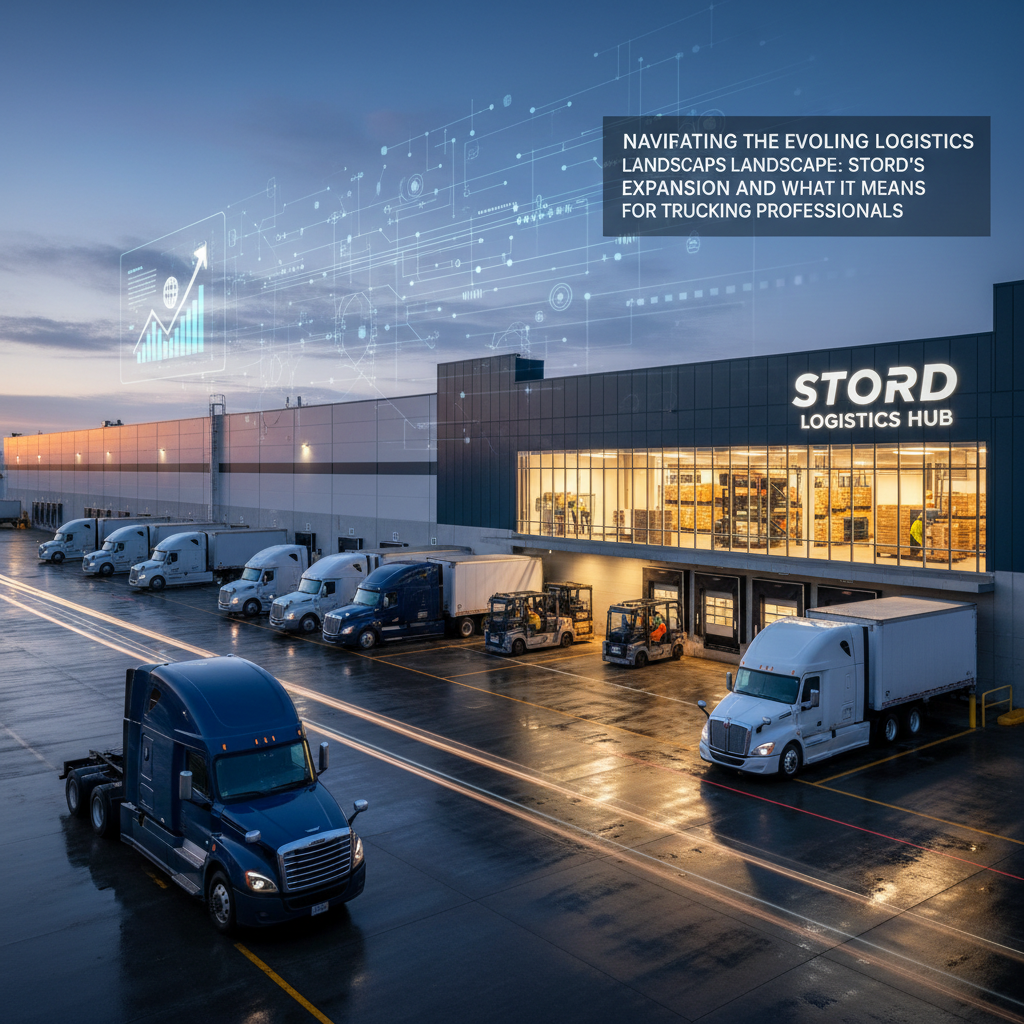
The intricate world of logistics is constantly shifting, with major players making strategic moves that ripple across the entire supply chain, directly impacting CDL truck drivers and fleet managers. Recently, a significant development unfolded as Quiet Logistics, a third-party logistics (3PL) subsidiary of American Eagle Outfitters, began to dismantle its operations, transferring its Dallas warehouse lease and customer base to Stord, a rapidly expanding omnichannel fulfillment provider. This transition is more than just a corporate acquisition; it signals a broader trend in the industry towards integrated, technology-driven fulfillment solutions, and understanding its implications is crucial for anyone involved in freight transportation.
For CDL truck drivers, these changes often translate into shifts in freight patterns, new routes, and different types of loads. As fulfillment networks consolidate and expand, the demand for specific types of hauls – be it long-haul, regional, or last-mile – can fluctuate. Fleet managers, on the other hand, must continuously adapt their operational strategies, optimize routing, manage driver availability, and ensure their equipment meets the evolving demands of their clients, many of whom are directly affected by these logistics network reconfigurations. Stord's aggressive expansion, including this deal and previous acquisitions like Shipwire and Ware2Go, highlights a move towards creating a more robust, interconnected fulfillment ecosystem designed to meet the ever-increasing expectations of e-commerce consumers.
The Strategic Shift: Why Quiet Logistics is Stepping Back
American Eagle Outfitters' decision to divest from Quiet Logistics, a move that began in January, was a strategic pivot back to its core business. Analysts suggest that operating a third-party logistics service for external companies proved to be less profitable than anticipated for the retail giant. This isn't an isolated incident; other major retailers, like Office Depot, have also pulled back from offering 3PL services, choosing instead to focus on optimizing their own supply chain operations. For American Eagle, the focus will now be squarely on managing logistics for its internal brands, ensuring efficiency and cost-effectiveness within its own retail ecosystem.
This trend underscores a critical lesson for businesses across all sectors: while vertical integration can offer advantages, venturing too far outside core competencies can dilute focus and profitability. For trucking companies and independent owner-operators, this means understanding the stability and long-term vision of their logistics partners. A company that is laser-focused on its primary mission is often a more reliable and consistent source of freight. When a major retailer decides to shed its 3PL arm, it can create a temporary disruption but also opens up opportunities for specialized logistics providers like Stord to step in and consolidate market share.
Stord's Aggressive Growth: Building an Amazon-Like Network
Stord's acquisition of Quiet Logistics' Dallas facility and customer portfolio is part of a much larger, ambitious strategy. The company has been on an aggressive expansion path, marked by several significant deals. Earlier this year, Stord acquired e-commerce logistics specialist Shipwire. Prior to that, in 2023, it acquired Ware2Go, an on-demand warehousing and fulfillment network, from UPS. These acquisitions, coupled with a substantial $200 million investment round and plans to inject up to $40 million into expanding its fulfillment center in Hebron, Kentucky, demonstrate Stord's commitment to building a comprehensive, end-to-end logistics and fulfillment network.
Stord's stated mission is to enable brands of all sizes to achieve “Amazon-like delivery speeds, costs, and consumer experiences.” This is a powerful statement in today's e-commerce-driven market. To achieve this, Stord is not just acquiring warehouses; it's integrating them into a sophisticated, vertically integrated software platform that manages everything from inventory and order processing to warehouse pick-and-pack operations and courier selection. This technological backbone is designed to orchestrate its growing network of fulfillment hubs, which now includes approximately a dozen major facilities across 13 buildings, extending even to the United Kingdom and the Netherlands.
For CDL drivers, this means potentially more consistent freight volumes and more technologically advanced facilities. Stord's emphasis on efficiency and speed often translates into optimized loading and unloading processes, potentially reducing dwell times. Fleet managers should take note of Stord's expanding footprint, as it could represent new opportunities for partnerships and dedicated routes. Understanding the technology platforms used by such forward-thinking logistics providers can also give carriers a competitive edge, as seamless integration often leads to smoother operations.
Impact on Truck Drivers: New Routes, New Opportunities
The expansion of Stord's fulfillment network, particularly its entry into key markets like Dallas, has direct implications for truck drivers. Dallas is a major logistics hub, and the addition of a significant fulfillment center there will undoubtedly generate new freight movements. Drivers specializing in regional hauls around the Dallas-Fort Worth metroplex, as well as those involved in long-haul routes connecting Dallas to other major Stord hubs (like Hebron, Kentucky, or former Quiet Logistics locations in Boston, Atlanta, and Los Angeles), could see increased demand.
- Increased Freight Volume: As Stord integrates new customers and expands its service offerings, the overall volume of goods moving through its network will grow. This means more loads available for carriers and owner-operators.
- Diverse Load Types: Stord caters to a wide range of e-commerce brands, meaning drivers might encounter diverse cargo, from consumer goods to specialized products. This variety can be beneficial for drivers looking for different types of hauling experiences.
- Technological Integration: Stord's emphasis on a unified software platform suggests a move towards more streamlined operations at its facilities. This could translate to better communication regarding load status, appointment scheduling, and faster turnaround times at the dock, which are critical factors for driver satisfaction and efficiency.
- Last-Mile and Regional Opportunities: While Stord focuses on broader fulfillment, its goal of
Helpful Resources for CDL Drivers
Comments (0)
Sign in to join the conversation
Sign In to CommentNo comments yet. Be the first to share your thoughts!
Explore More
Driver Resources
Educational guides on CDL licensing, salary expectations, and route planning tips.
Browse CDL Jobs
Find your next driving opportunity. Search by location, route type, and CDL class.
CDL Salary Guide
Understand how pay varies by experience, route type, and location in the trucking industry.