
Navigating the Winter Storm Threat: A Comprehensive Guide for CDL Drivers and Fleet Managers on Safety, Compliance, and Operational Resilience
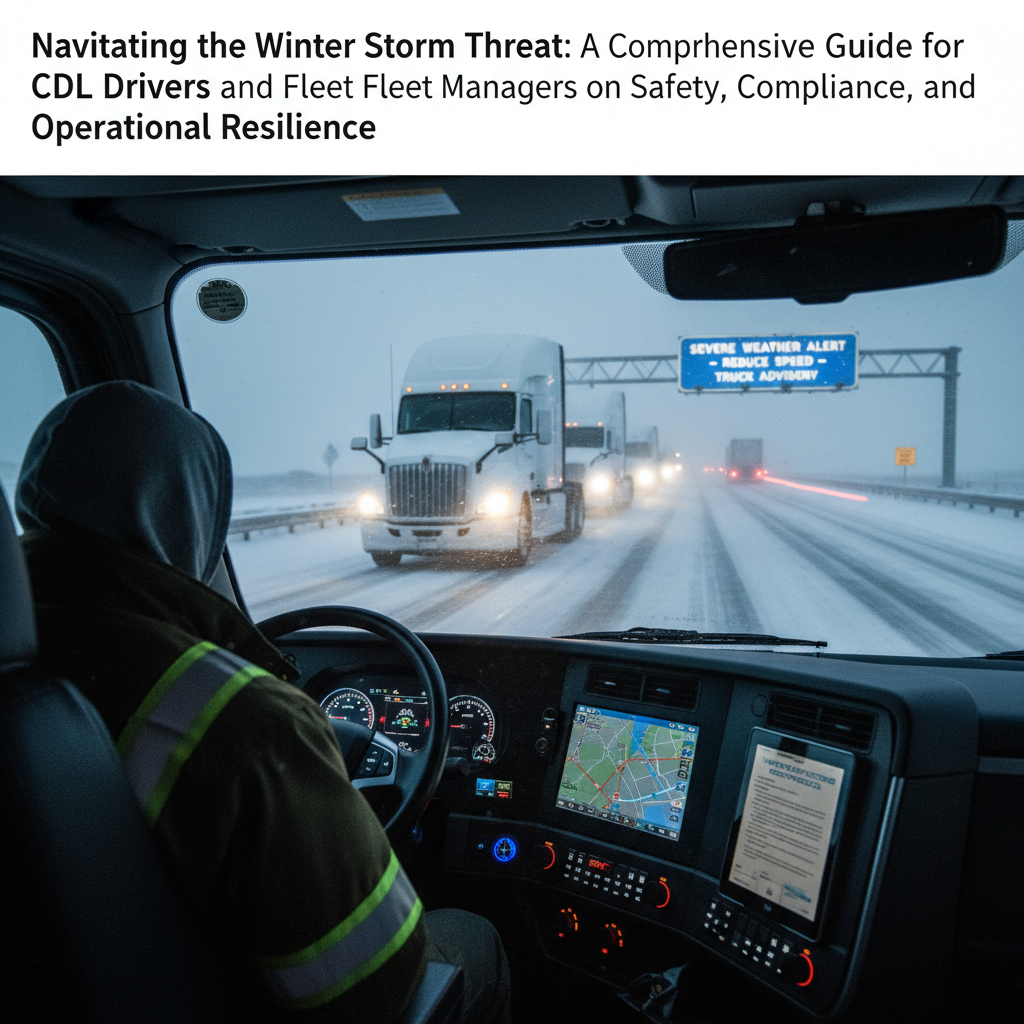
The approaching winter storm season brings with it significant operational challenges and safety risks for the entire trucking industry. When major weather events, like the one recently discussed across industry forums and affecting potentially hundreds of millions of people, loom large, the decisions made by both CDL professionals behind the wheel and the fleet managers coordinating logistics become critical. This comprehensive guide delves into the necessary preparations, compliance requirements, and strategic operational adjustments required to ensure safety, minimize delays, and maintain supply chain integrity during severe winter weather.
The Critical Imperative: Safety First in Severe Weather
For professional truck drivers, winter weather is more than just an inconvenience; it is a serious hazard. Icy roads, reduced visibility from heavy snow or whiteouts, and powerful crosswinds demand heightened awareness and specific driving techniques. The sentiment shared widely among drivers—whether it’s a firm decision to 'shut it down' or a commitment to careful, necessary movement—underscores the primary goal: preserving life and equipment. Fleet managers must prioritize driver safety above all else, recognizing that pushing drivers into dangerous conditions not only risks catastrophic accidents but also leads to long-term operational inefficiency through breakdowns and regulatory violations.
Driver Preparedness: Beyond the Basics
Every CDL holder operating during winter months must ensure their vehicle is winterized and their personal preparedness kit is complete. This goes beyond standard pre-trip inspections. Drivers should specifically check tire tread depth and pressure, ensure adequate fluid levels (especially windshield washer fluid rated for extreme cold), confirm brake functionality (including air lines free of moisture), and verify that heating and defrost systems are fully operational. Furthermore, drivers should carry emergency supplies, including high-quality chains (and know how to install them), extra fuel, blankets, non-perishable food, water, and emergency signaling devices.
Crucially, drivers must be adept at recognizing when conditions exceed safe operating limits. This involves constant monitoring of weather forecasts, road condition reports (via DOT systems, 511 services, and CB radio/apps), and understanding the specific limitations of their equipment and cargo. Heavy loads, high-profile trailers (like dry vans or reefers), and tankers require different handling in slick conditions compared to lighter or specialized freight.
Operational Strategy and Dispatch Communication
The tension between dispatchers needing to meet delivery windows and drivers needing to prioritize safety is a perennial challenge, especially during major weather events. Effective communication and proactive planning are the keys to mitigating this conflict.
Fleet Manager Responsibilities: Proactive Decision Making
Fleet managers must implement a clear, written severe weather policy that dictates when operations must be curtailed or halted. This policy should be transparent and communicated clearly to all drivers and customers. Key elements of this policy include:
- Advance Routing Adjustments: Rerouting loads around predicted storm paths days in advance, even if it adds miles, can save days of delay later. Utilizing advanced telematics and weather mapping services is essential for this predictive planning.
- Mandatory Parking Protocols: Establishing designated safe parking areas (truck stops, authorized company yards, or rest areas) ahead of mandatory commercial vehicle travel bans issued by state departments of transportation (DOTs), such as those frequently imposed on interstates during major snow events.
- Flexible HOS Management: Recognizing that drivers may need to park for extended periods due to weather. Dispatch must be prepared to adjust Hours-of-Service (HOS) projections and communicate these changes to receivers. While FMCSA often provides emergency HOS waivers for specific disaster relief efforts, standard winter weather typically requires strict adherence to regular HOS rules, meaning drivers must log downtime accurately.
- Driver Support: Ensuring drivers have access to necessary funds for unexpected layovers and providing clear contact information for 24/7 support should they encounter mechanical issues or need emergency assistance while parked.
Dispatcher-Driver Synergy
Dispatchers must avoid pressuring drivers to 'push on' when conditions are clearly unsafe. The cost of a damaged truck, cargo loss, or, worst of all, a human life, far outweighs the cost of a delayed delivery. Instead, dispatch should focus on providing drivers with the most up-to-date information regarding road closures, chain requirements, and state-issued commercial vehicle restrictions. When a driver makes the professional judgment to park, that decision should be respected and supported by management.
Compliance and Regulatory Landscape During Winter Storms
Severe weather often triggers specific regulatory actions that fleet managers and drivers must be aware of to avoid hefty fines and out-of-service orders. State DOTs frequently issue full commercial vehicle travel bans, particularly for tractor-trailers, on major interstates and mountain passes when conditions deteriorate rapidly. Ignoring these bans is a serious violation.
Understanding Chain Laws and Restrictions
Many states, particularly those with mountainous terrain (e.g., Colorado, Oregon, Washington), enforce strict chain laws during winter months. Drivers must carry the required number of chains and be proficient in installing them. Failure to comply with chain requirements can result in significant penalties and mandatory parking until conditions improve. Fleet operators must ensure that all trucks operating in these regions are equipped with the correct chain types and that drivers receive adequate training.
Pre-Trip and En Route Inspections in Cold Weather
Cold weather exacerbates mechanical issues. Air brake systems are particularly vulnerable to moisture freezing in the lines, which can lead to brake failure. Drivers must be meticulous in draining air tanks frequently. Furthermore, cold temperatures can affect the performance of diesel fuel (gelling) and DEF fluid. Using winterized fuel additives and ensuring DEF tanks are kept full (as DEF freezes at higher temperatures than diesel) are crucial preventative maintenance steps.
Economic Implications and Rate Management
Severe weather impacts the entire logistics chain, leading to increased operational costs. This reality is often reflected in market dynamics, where the demand for timely movement clashes with the high risks involved. As some drivers online humorously note, winter storms often correlate with temporary rate increases, reflecting the risk premium and the scarcity of available capacity.
Managing Costs and Customer Expectations
Fleet managers need to factor in potential layover costs, increased fuel consumption (due to idling or difficult driving), and the expense of recovery services if a truck gets stuck. Communicating realistic expectations to shippers is paramount. Instead of promising impossible delivery times, fleets should focus on transparency and safety-conscious scheduling. Shippers who value reliability understand that a safe delay is preferable to a potential catastrophe.
For owner-operators, understanding the true cost of operating in severe weather is vital for quoting loads. The decision to 'roll through' must be weighed against the increased risk of accidents, the potential for HOS violations if delays occur, and the physical toll of driving in hazardous conditions. Sometimes, taking a planned, paid layover is the most profitable and safest decision.
Leveraging Technology for Winter Operations
Modern trucking technology provides powerful tools for mitigating winter risks. Fleet managers should fully utilize these systems:
- Real-time GPS and Telematics: Monitoring truck location and speed allows managers to intervene quickly if a driver appears to be entering a restricted area or driving too fast for conditions. Geofencing critical weather zones can trigger automated alerts for drivers.
- Predictive Weather Integration: Integrating commercial weather services directly into dispatch software provides granular, route-specific forecasts, allowing for minute-by-minute decision-making rather than relying on general regional forecasts.
- Electronic Logging Devices (ELDs): While primarily for HOS compliance, ELDs provide invaluable data on driver movement and non-driving time, helping dispatch accurately reschedule deliveries after a weather delay.
Practical Takeaways for Trucking Professionals
For CDL Drivers:
- Trust Your Instincts: If the road feels unsafe, park the truck. Your professional judgment regarding safety outweighs any pressure from dispatch.
- Check Road Conditions Constantly: Utilize state DOT websites (511 systems) and reliable trucking apps for real-time updates on road closures and chain laws.
- Maintain Visibility: Ensure headlights, taillights, and clearance lights are clear of snow and ice. Use low beams in heavy snow to reduce glare.
- Slow Down: Increase following distance significantly. Remember that stopping distances on ice can be ten times greater than on dry pavement. Gentle steering and braking inputs are essential.
For Fleet Managers:
- Develop a Robust Contingency Plan: Document procedures for vehicle recovery, driver communication during extended layovers, and customer notification protocols.
- Invest in Training: Ensure drivers are trained in winter driving techniques, including proper use of engine brakes on slick surfaces and chain installation.
- Prioritize Maintenance: Conduct pre-winter maintenance checks focusing on tires, brakes, and cold-weather fluids well before the first major storm hits.
- Support Driver Decisions: Create a company culture where safety is genuinely rewarded, and drivers are never penalized for parking due to weather. This builds trust and ensures compliance with safety protocols, ultimately protecting the company’s assets and reputation.
By adopting a proactive, safety-focused approach, the trucking industry can navigate the inevitable challenges posed by severe winter weather, ensuring that essential goods continue to move while protecting the valuable professionals who make the supply chain function.
Helpful Resources for CDL Drivers
Comments (0)
Sign in to join the conversation
Sign In to CommentNo comments yet. Be the first to share your thoughts!
Explore More
Driver Resources
Educational guides on CDL licensing, salary expectations, and route planning tips.
Browse CDL Jobs
Find your next driving opportunity. Search by location, route type, and CDL class.
CDL Salary Guide
Understand how pay varies by experience, route type, and location in the trucking industry.