
Navigating Winter's Wrath: Mississippi's I-55 & I-22 Shutdowns Spark Critical Lessons for Truckers and Fleet Managers
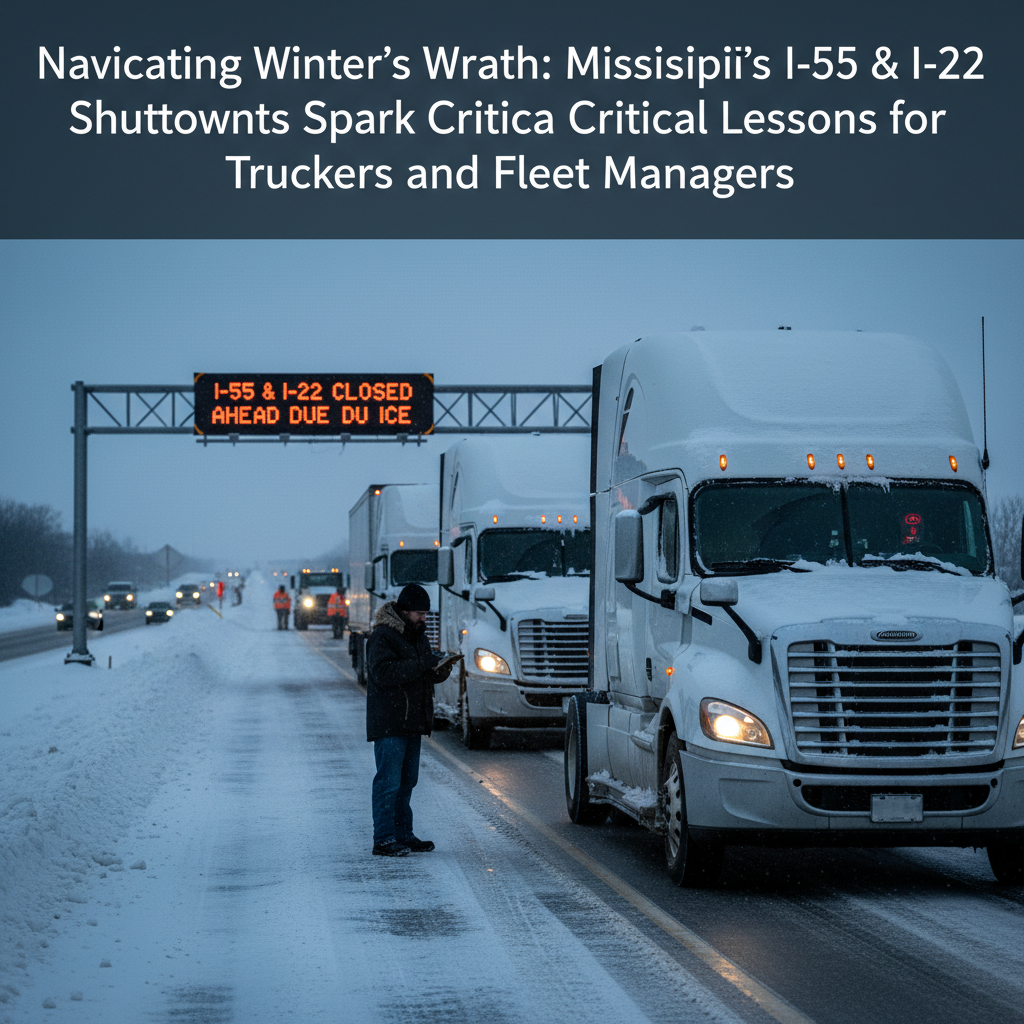
The recent winter storm that gripped Northern Mississippi, leading to extensive shutdowns on vital arteries like Interstate 55 and Interstate 22, has sent ripples through the trucking industry. Hundreds of commercial vehicles and passenger cars found themselves stranded for over 12 hours on I-55, I-22, and Highway 78, a stark reminder of winter's unpredictable and often unforgiving impact on logistics and transportation. This incident, which saw roadways turn into impassable sheets of ice, has prompted a candid admission from Northern Mississippi Transportation Commissioner John Caldwell, who has taken personal responsibility for the resource allocation decisions that contributed to the severe backups.
Commissioner Caldwell's transparency offers a crucial learning opportunity for everyone involved in commercial transportation. He clarified that initial roadway preparation, including salting efforts, was executed as planned. However, the critical misstep, as he explained, stemmed from a strategic diversion of resources. "Actually, the roadway prep went as well as we could have expected. You know, there's a lot of accusations that we didn't salt the roads, but that's just wrong," Caldwell stated to Fox 13. The decision to reallocate maintenance crews to counties experiencing widespread power outages and significant damage from the icy conditions inadvertently left key interstates vulnerable. "That little shift was probably the one that really hurt us the most, because by the time we got back here, it was all ice, and it was not as manageable as it needed to be," he admitted, acknowledging the cascading effect of these choices.
This situation underscores the complex challenges faced by state transportation departments during severe weather events, often operating with limited resources and having to make difficult, real-time decisions under immense pressure. Caldwell's willingness to accept accountability – "If anybody wants to, there's a lot of people looking for somebody to blame, that would be me" – highlights a commitment to learning and improvement. He further emphasized the perpetual struggle with staffing, noting, "We start shorthanded, and we finish shorthanded." This resource constraint, coupled with the difficulty of deploying aid effectively, led to an outcome that was neither sufficient nor timely enough for the rapidly deteriorating road conditions.
Brad White, Executive Director of the Mississippi Department of Transportation (MDOT), echoed this sentiment, emphasizing the invaluable lessons learned. "If you look back knowing what we know now, there are some things we certainly would have done differently," White conceded. He drew parallels to the transformative impact of Hurricane Katrina on Mississippi's hurricane preparedness and response, expressing confidence that this recent ice storm will similarly catalyze significant improvements in how the state handles future winter weather events. For fleet managers and professional truck drivers, these insights from state officials are not just news; they are critical data points for future trip planning and risk assessment.
Understanding the Ripple Effect: Why Interstate Shutdowns Matter to Truckers
For CDL professionals, an interstate shutdown isn't just an inconvenience; it's a direct hit to their livelihood and the efficiency of the entire supply chain. When major routes like I-55, a primary north-south corridor, or I-22, connecting Memphis to Birmingham, become impassable, the consequences are immediate and far-reaching. Drivers face extended delays, often spending hours or even days stranded, leading to lost wages, missed delivery windows, and potential violations of Hours of Service (HOS) regulations. The stress of being stuck, coupled with dwindling supplies and uncertain timelines, takes a significant toll on driver well-being.
Fleet managers, on the other hand, grapple with the logistical nightmare of rerouting entire fleets, managing customer expectations, and absorbing unexpected costs. Fuel consumption increases due to idling and longer alternative routes, while perishable goods face spoilage risks. The domino effect can impact everything from manufacturing schedules to retail inventory, highlighting the critical role of robust infrastructure and effective emergency response in maintaining economic stability.
Proactive Measures for Truck Drivers: Navigating Winter's Perils
While state agencies refine their strategies, truck drivers remain on the front lines, and their preparedness is paramount. Here are actionable steps CDL drivers can take to mitigate risks during winter weather:
- Monitor Weather and Road Conditions Religiously: Before and during your trip, utilize multiple sources for real-time weather forecasts and road condition reports. State DOT websites (like MDOT's), 511 traveler information systems, and reputable trucking-specific weather apps are invaluable. Pay close attention to advisories for freezing rain, black ice, and heavy snowfall, as these are often the culprits behind sudden shutdowns.
- Pre-Trip Inspection is Non-Negotiable: A thorough pre-trip inspection is always important, but it's absolutely critical in winter. Check tire pressure and tread depth, ensure all lights are functional, verify wiper blades are effective, and confirm that your heating and defrost systems are working optimally. Top off fluids, especially windshield washer fluid, and ensure your air lines are free of moisture.
- Carry an Emergency Kit: Your emergency kit should be robust for winter. Include extra warm clothing, blankets, non-perishable food, water, a fully charged cell phone with a portable charger, a flashlight, first-aid supplies, a shovel, sand or kitty litter for traction, and tire chains (and know how to install them). Consider a battery-powered weather radio for updates if cell service is lost.
- Adjust Driving Habits: Slow down significantly. Increase following distance dramatically – often 10-15 seconds or more on icy roads. Avoid sudden braking, accelerating, or steering maneuvers. Use lower gears for engine braking on descents. Be extra cautious on bridges, overpasses, and shaded areas, as these freeze first and stay frozen longer.
- Know Your HOS and Plan for Delays: Factor in potential delays due to weather. Don't push your HOS limits when conditions are deteriorating. Find safe parking well before you're required to stop, especially if bad weather is forecast to worsen. Communication with your dispatcher about HOS and potential delays is crucial.
- Stay Informed and Communicate: If you get stuck or anticipate significant delays, communicate immediately with your dispatcher, fleet manager, and family. Provide regular updates. Listen to local radio for emergency broadcasts and follow instructions from law enforcement or emergency personnel.
Strategic Planning for Fleet Managers: Building Resilience Against Winter Storms
Fleet managers play a pivotal role in safeguarding their assets, drivers, and supply chains during severe weather. Proactive planning and robust communication strategies are key:
- Implement a Comprehensive Winter Weather Policy: Develop clear guidelines for drivers regarding safe driving practices in snow and ice, communication protocols during delays or breakdowns, and procedures for reporting hazardous conditions. This policy should also address HOS flexibility during emergencies.
- Invest in Driver Training: Provide specialized training for winter driving techniques, including chain installation, recognizing black ice, and managing vehicle control in slippery conditions. Emphasize defensive driving and hazard perception.
- Equip Trucks for Winter: Ensure all fleet vehicles are properly maintained for winter operations. This includes regular tire checks, functional heating/defrost systems, and adequate anti-gel additives for diesel fuel. Mandate that drivers carry comprehensive emergency kits.
- Leverage Technology for Real-Time Monitoring: Utilize telematics and GPS tracking systems to monitor vehicle locations, driver HOS, and real-time road conditions. This allows for proactive rerouting, communication with drivers, and accurate updates for customers. Weather forecasting services tailored for logistics can provide crucial early warnings.
- Establish Robust Communication Channels: Create clear communication protocols for dispatchers, drivers, and customers. During a storm, dispatchers should be continuously monitoring conditions and relaying critical information. Drivers need to know who to contact and how to report issues. Customers need transparent updates on potential delays.
- Develop Contingency Plans and Alternative Routes: Identify alternative routes for key lanes in advance, considering potential closures due to weather. Have plans in place for driver accommodations if they become stranded, and strategies for managing perishable cargo.
- Foster a Culture of Safety: Emphasize that safety always takes precedence over delivery schedules. Empower drivers to make safe decisions, including pulling over or delaying travel if conditions are too dangerous. Support their judgment rather than pressuring them to push through hazardous weather.
Lessons Learned and Moving Forward
The Mississippi incident serves as a powerful reminder that even with preparation, unforeseen challenges can arise, especially when resources are stretched thin. The candid admission from Commissioner Caldwell and the commitment from MDOT to learn from this experience are encouraging signs. For the trucking industry, this means an ongoing need for vigilance, adaptability, and a proactive approach to safety.
As Brad White noted, every storm offers lessons. For CDL drivers, this means continually honing their winter driving skills and maintaining a high level of personal preparedness. For fleet managers, it means refining operational strategies, investing in technology, and prioritizing driver safety above all else. By working together, and by leveraging the insights gained from challenging events like the I-55 and I-22 shutdowns, the trucking industry can enhance its resilience and ensure that essential goods continue to move safely and efficiently, even in the face of winter's harshest challenges.
Helpful Resources for CDL Drivers
Comments (0)
Sign in to join the conversation
Sign In to CommentNo comments yet. Be the first to share your thoughts!
Explore More
Driver Resources
Educational guides on CDL licensing, salary expectations, and route planning tips.
Browse CDL Jobs
Find your next driving opportunity. Search by location, route type, and CDL class.
CDL Salary Guide
Understand how pay varies by experience, route type, and location in the trucking industry.