
Steel Dynamics' $11 Billion BlueScope Bid: What It Means for Trucking and the Steel Supply Chain
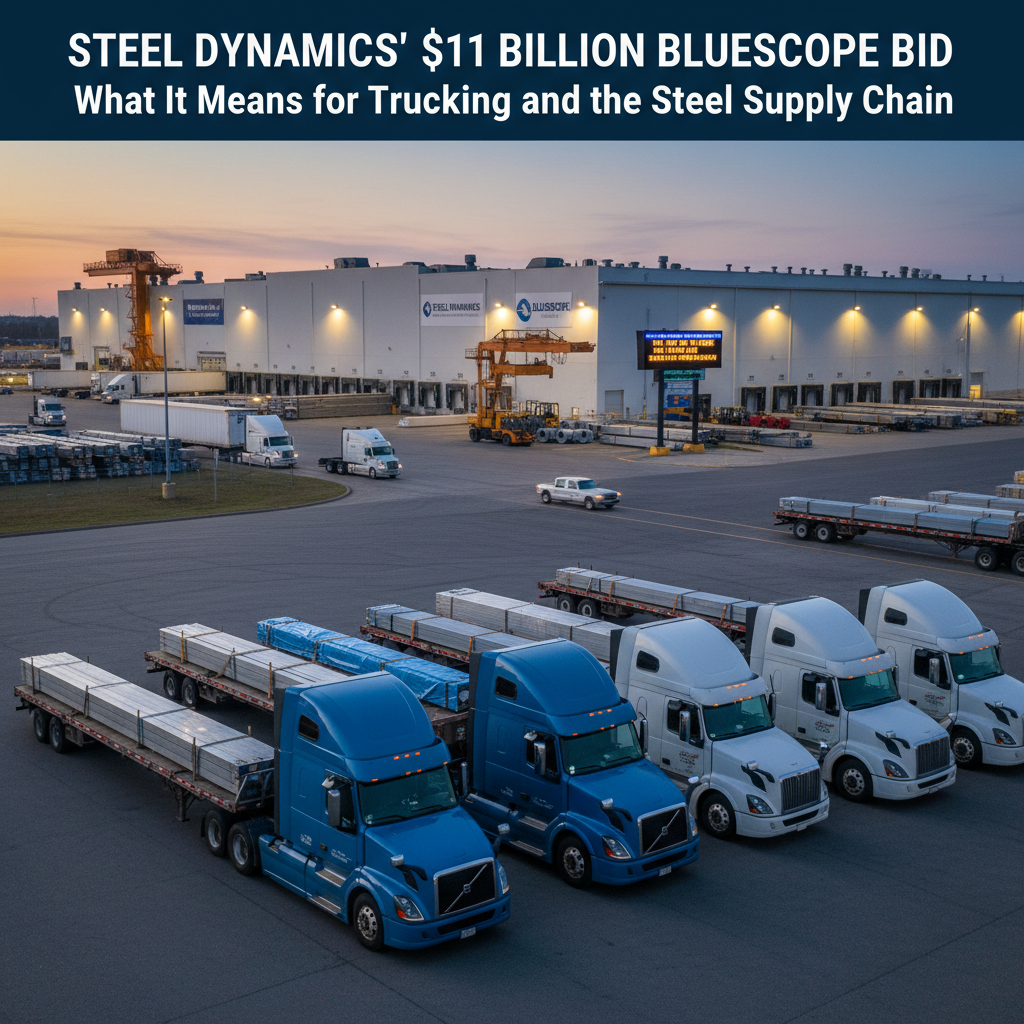
The global steel industry is a foundational pillar for countless sectors, and none more so than transportation. From the chassis of a heavy-duty truck to the infrastructure of our nation's highways, steel is an indispensable material. Recently, a significant development in this vital industry made headlines: Steel Dynamics, a major player in the American steel market, escalated its all-cash offer for Australia's BlueScope Steel to a staggering $11 billion. This move, initially reported by Bloomberg News, has far-reaching implications, not just for the companies involved, but for the entire supply chain, including the dedicated CDL truck drivers and fleet managers who keep the wheels of commerce turning.
This isn't just about corporate mergers; it's about the future availability, cost, and logistics of steel products that directly impact the trucking industry. Understanding these large-scale economic shifts is crucial for fleet managers planning their procurement strategies and for truck drivers who are literally hauling the raw materials and finished goods that define this sector. Let's delve into the details of this high-stakes acquisition attempt and explore its potential ripple effects across the trucking landscape.
The High-Stakes Bid: Steel Dynamics and BlueScope Steel
Steel Dynamics, a prominent U.S. steel producer, made an increased all-cash bid of A$32.35 per share for BlueScope Steel, valuing the Australian company at approximately A$15 billion, or $11 billion USD. This revised offer came after BlueScope had previously rejected a lower bid of A$30 per share from Steel Dynamics and SGH, a company controlled by Australian billionaire Kerry Stokes. The persistence of Steel Dynamics underscores the strategic importance of BlueScope's assets, particularly its North American operations.
BlueScope Steel is a multinational company with significant operations in North America, including its low-margin steel business, which generates a substantial portion of its earnings. Steel Dynamics' primary interest lies in these North American assets, specifically the North Star steelworks in Ohio and BlueScope's downstream product businesses across the continent. The proposed deal outlines a clear division: Steel Dynamics would acquire these crucial North American components, while SGH would take ownership of the Australian Port Kembla steelworks.
This strategic acquisition aims to consolidate Steel Dynamics' position in the North American market, enhancing its production capabilities and expanding its product offerings. For the trucking industry, this consolidation could lead to more streamlined supply chains for steel products within the U.S., potentially impacting freight volumes, shipping routes, and even the types of specialized hauling required. The sheer scale of an $11 billion transaction highlights the enormous value placed on these industrial assets and their role in the broader economy.
Why Steel Matters to Trucking: A Foundational Industry
Steel is not just another commodity; it's the backbone of modern industrial society. For the trucking industry, its importance cannot be overstated. Consider the following key areas where steel is integral and how this acquisition could influence them:
1. Vehicle Manufacturing and Maintenance: Every truck, trailer, and piece of heavy equipment relies heavily on steel for its structural integrity. Chassis, engine components, body panels, and even many internal parts are made from various types of steel. Fluctuations in steel prices or availability directly impact the cost of new trucks and trailers, as well as the expense of replacement parts for maintenance and repairs. Fleet managers constantly monitor these costs, and a more stable, efficient steel supply chain could translate to more predictable procurement budgets.
2. Infrastructure Development: The roads, bridges, and tunnels that CDL drivers traverse daily are built with vast quantities of steel. Rebar, structural beams, and guardrails are all steel products. As infrastructure projects ramp up across the U.S., the demand for steel will only increase. A strong, domestically focused steel industry, bolstered by strategic acquisitions like the one proposed by Steel Dynamics, can help ensure a consistent supply for these critical projects, which in turn creates more freight opportunities for flatbed, specialized, and heavy haul carriers.
3. Construction and Manufacturing Freight: Steel is a primary material in commercial and residential construction, automotive manufacturing, appliance production, and countless other industries. These sectors generate immense volumes of freight for truck drivers. Raw steel coils, sheets, pipes, and fabricated components are constantly moving from mills to processing plants, and then to construction sites or factories. Any changes in steel production capacity, geographical distribution of mills, or pricing can shift freight patterns and demand for specific types of trucking services.
4. Energy Sector Demands: The energy industry, from oil and gas pipelines to wind turbine towers, is a massive consumer of steel. As the energy landscape evolves, so does the demand for specialized steel products. Trucking plays a crucial role in transporting these heavy, often oversized components, requiring specialized equipment and highly skilled CDL drivers. A robust steel industry ensures that these vital energy projects can proceed efficiently, sustaining a steady flow of high-value freight.
Potential Impacts on the Steel Supply Chain and Logistics
The proposed acquisition of BlueScope's North American assets by Steel Dynamics could significantly alter the dynamics of the steel supply chain. Here's how:
1. Consolidation and Efficiency: By integrating BlueScope's North American operations, Steel Dynamics could achieve greater economies of scale, optimize production processes, and potentially reduce operational costs. This consolidation might lead to more efficient distribution networks, with steel products moving more directly from expanded production hubs to end-users. For trucking, this could mean more consistent, high-volume routes, but also potentially fewer, larger distribution centers, requiring fleet managers to adapt their logistics strategies.
2. Geographical Shifts in Production: The North Star steelworks in Ohio is a key asset in this deal. Strengthening this facility and its associated downstream businesses could further solidify the Midwest as a major steel production and processing hub. This concentration of activity could increase freight density in certain corridors, benefiting carriers operating in those regions. Conversely, areas that previously relied on BlueScope's independent supply lines might see adjustments in their sourcing and transportation needs.
3. Pricing Stability and Availability: A larger, more integrated Steel Dynamics could exert greater influence over steel pricing in the North American market. While this could lead to more stable pricing due to reduced competition, it also means that fleet managers and their clients would be more susceptible to the pricing strategies of a dominant player. However, increased domestic production capacity, a likely outcome of this acquisition, could also help insulate the U.S. market from global price volatility and supply chain disruptions, which is a net positive for consistent freight volumes.
4. Specialized Hauling Demands: The types of steel products hauled by trucks are incredibly diverse, ranging from delicate finished sheets to massive structural beams and heavy coils. Any changes in product mix or production focus at the acquired facilities could influence the demand for specific types of trailers – flatbeds, step decks, double drops, and specialized heavy haul equipment. Fleet managers should stay abreast of these shifts to ensure their equipment fleets are appropriately matched to market needs.
What This Means for CDL Truck Drivers
For the individual CDL truck driver, developments in the steel industry translate directly into job opportunities, freight types, and sometimes even the challenges encountered on the road. Here's a breakdown of how this acquisition could affect them:
1. Consistent Freight Opportunities: A robust and expanding domestic steel industry generally means more consistent freight. Steel products are heavy, often requiring full truckloads, which can be attractive for drivers seeking stable income. If Steel Dynamics' acquisition leads to increased production and distribution, drivers specializing in flatbed, heavy haul, or even dry van (for certain finished goods) could see a steady demand for their services.
2. Specialized Skills and Equipment: Hauling steel often requires specific skills, including proper load securement, understanding weight distribution, and navigating oversized loads. Drivers with experience in these areas will likely remain in high demand. Furthermore, the need for specialized equipment like coil racks, dunnage, and heavy-duty tarps will persist, making drivers with access to or experience with such gear particularly valuable.
3. Regional Impact: Drivers operating in regions with significant steel production and consumption, such as the Midwest (Ohio, Indiana, Pennsylvania) and parts of the South, might experience increased freight density. This could mean more local and regional runs, or more dedicated routes for steel logistics companies. Drivers willing to operate in these key industrial corridors could find ample work.
4. Economic Indicator: The health of the steel industry is often a leading economic indicator. When steel mills are busy, it suggests that construction, manufacturing, and other sectors are thriving, which generally bodes well for the overall trucking economy. Drivers can view significant investments and consolidations like this as a sign of underlying economic strength, translating to better job security and potentially higher rates.
Actionable Takeaways for Fleet Managers
Fleet managers are on the front lines of logistics, and strategic shifts in industries like steel require careful consideration and proactive planning. Here are several actionable takeaways:
1. Monitor Steel Market Trends Closely: Stay informed about steel production volumes, pricing trends, and new facility developments. Subscribe to industry publications and economic reports that track the steel sector. Understanding these trends will help anticipate freight demand and potential cost fluctuations for new equipment.
2. Diversify and Specialize Your Fleet: Evaluate your current fleet's capabilities. If you primarily operate dry vans, consider if there's an opportunity to add flatbeds or specialized equipment to tap into steel-related freight. Conversely, if you already haul steel, look for opportunities to specialize further, perhaps in specific types of steel products or regions.
3. Strengthen Relationships with Shippers and Brokers: Cultivate strong relationships with steel mills, fabricators, construction companies, and brokers specializing in industrial freight. Being a preferred carrier for these clients can provide a stable base of business, especially during periods of increased demand.
4. Optimize Routes and Networks: With potential shifts in production hubs and distribution patterns, re-evaluate your current routes and network. Look for opportunities to optimize backhauls, reduce empty miles, and streamline your operations to serve key steel-producing and consuming regions more efficiently.
5. Invest in Driver Training and Retention: Hauling steel often requires experienced drivers. Invest in training programs for load securement, safety protocols for heavy loads, and compliance with specific industry regulations. Retaining these skilled drivers is paramount, as they are a valuable asset in this specialized segment of trucking.
6. Leverage Technology for Efficiency: Utilize transportation management systems (TMS), telematics, and route optimization software to enhance efficiency. These tools can help manage complex loads, track shipments, and provide real-time data to make informed decisions, especially when dealing with time-sensitive steel deliveries.
7. Plan for Equipment Procurement: Anticipate potential impacts on the cost and availability of new trucks and trailers. If steel prices fluctuate significantly due to market consolidation, it could affect your capital expenditures. Plan your equipment replacement cycles strategically, considering these broader industrial trends.
The Broader Economic Picture
This $11 billion bid by Steel Dynamics for BlueScope Steel is more than just a corporate maneuver; it's a testament to the ongoing importance of heavy industry and manufacturing in the global economy. For the trucking industry, it underscores the interconnectedness of various sectors. When a foundational industry like steel experiences such significant consolidation and investment, the ripple effects are felt throughout the supply chain, creating both challenges and opportunities for those who move the nation's freight.
As Steel Dynamics seeks to expand its footprint and capabilities, the demand for reliable, efficient, and specialized trucking services will undoubtedly remain strong. CDL truck drivers and fleet managers who stay informed, adapt to changing market conditions, and focus on operational excellence will be well-positioned to capitalize on the evolving landscape of steel logistics. The future of American industry, quite literally, rides on their wheels, and understanding these major industrial shifts is key to navigating the road ahead successfully. This acquisition, if successful, will reshape a significant portion of the North American steel market, and by extension, a critical segment of the freight economy, making it essential for trucking professionals to pay close attention to its unfolding implications.
Helpful Resources for CDL Drivers
Comments (0)
Sign in to join the conversation
Sign In to CommentNo comments yet. Be the first to share your thoughts!
Explore More
Driver Resources
Educational guides on CDL licensing, salary expectations, and route planning tips.
Browse CDL Jobs
Find your next driving opportunity. Search by location, route type, and CDL class.
CDL Salary Guide
Understand how pay varies by experience, route type, and location in the trucking industry.