
Super Bowl Security: How Mobile X-Ray Systems Scan Semi-Trucks for Contraband and Threats
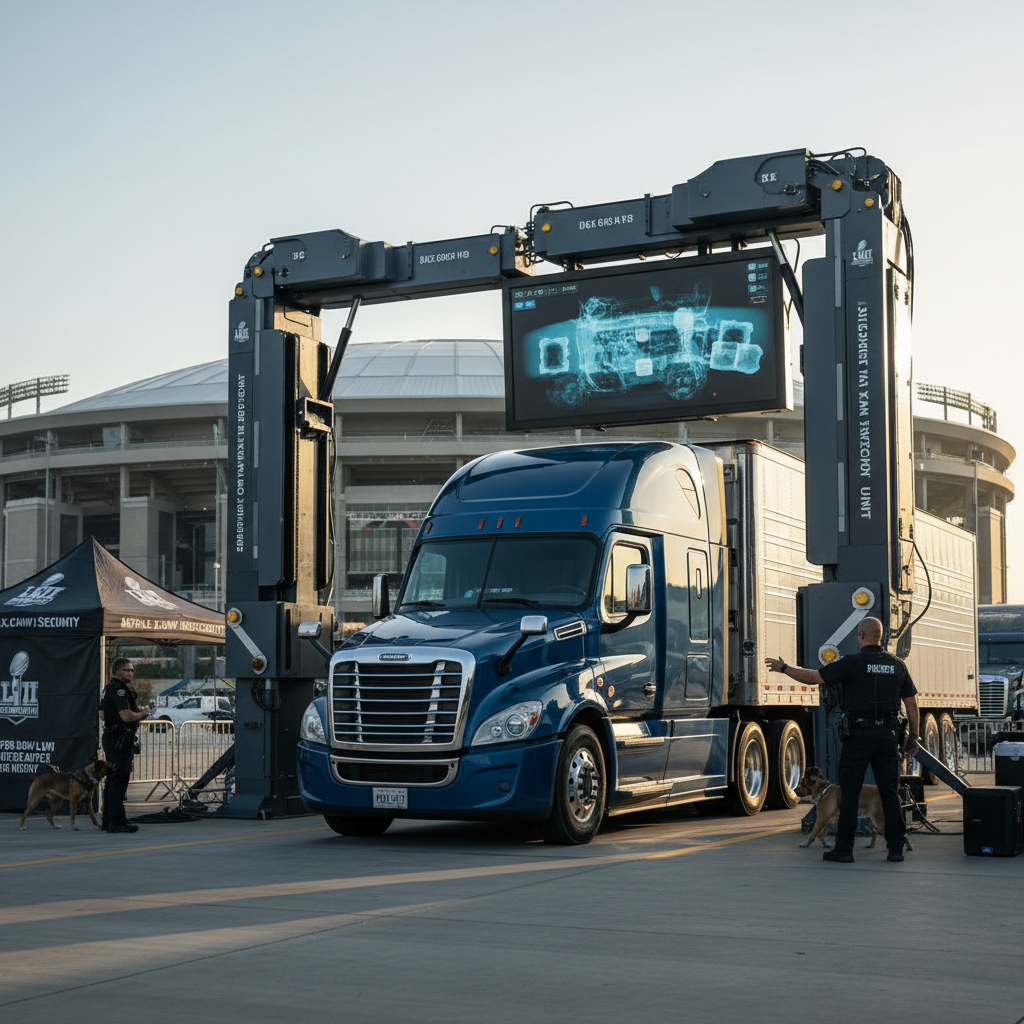
The Super Bowl, one of the most anticipated events in American sports, is not just a spectacle of athletic prowess; it's also a massive logistical undertaking, especially concerning security. For CDL truck drivers and fleet managers involved in transporting goods to and from such high-profile venues, understanding the stringent security protocols is paramount. Recently, U.S. Customs and Border Protection (CBP) offered a glimpse into these measures, showcasing their Non-Intrusive Inspection (NII) technology as it scanned semi-trucks delivering essential supplies to Levi Stadium ahead of the Super Bowl. This advanced mobile x-ray system plays a critical role in safeguarding large public gatherings, ensuring that every delivery is free from contraband and potential threats.
For professional truck drivers, this means more than just navigating traffic and meeting delivery schedules. It involves being part of a complex security ecosystem designed to protect millions. Fleet managers, on the other hand, must ensure their drivers are aware of these procedures, understand potential delays, and maintain compliance with all security directives. The integration of high-tech solutions like NII systems into event security highlights a growing trend towards sophisticated screening methods that impact the daily operations of the trucking industry.
Understanding Non-Intrusive Inspection (NII) Technology
Non-Intrusive Inspection (NII) technology is a cornerstone of modern security, designed to examine the contents of cargo conveyances without requiring them to be physically opened or unloaded. This capability is invaluable in high-stakes environments like the Super Bowl, where efficiency and thoroughness are equally critical. CBP officers utilize these systems to detect a wide array of illicit items, ranging from narcotics and weapons to materials that could pose nuclear and radiological threats. The technology employs large-scale X-ray and Gamma ray imaging systems, which can penetrate truck trailers and containers, creating detailed images of their contents.
From a driver's perspective, encountering an NII system means a temporary halt in their journey while their truck undergoes a scan. While this might add a few minutes to their schedule, it's a small price to pay for ensuring public safety. For fleet managers, understanding the operational implications of NII scans is crucial. This includes factoring in potential delays when planning routes and delivery windows, especially for time-sensitive cargo. Furthermore, knowing that such technology is in use can reinforce the importance of proper cargo documentation and security seals, as any discrepancies could lead to more extensive, intrusive inspections.
The Role of CBP in Event Security
While commonly associated with border crossings, U.S. Customs and Border Protection's expertise in cargo screening extends far beyond ports of entry. Their deployment of NII systems at major domestic events like the Super Bowl underscores their expanded role in national security. A CBP officer explained, "We're out here using our NII equipment to x-ray all the cargo and trucks and any commodity that's coming in to support the Super Bowl." This statement highlights the comprehensive nature of their operations, covering everything from food supplies and merchandise to broadcasting equipment and infrastructure materials.
For truck drivers, interacting with CBP personnel at a domestic event might be a novel experience compared to their usual encounters at international borders. However, the professionalism and procedures remain consistent. Drivers should be prepared to follow instructions, present necessary documentation, and cooperate fully with security personnel. Fleet managers should educate their drivers on CBP's role and authority in these domestic security contexts, ensuring a smooth and compliant process. This proactive approach can prevent misunderstandings and unnecessary delays, maintaining the integrity of the supply chain even under heightened security conditions.
How NII Scans Work: A Driver's Perspective
Imagine pulling your rig into a designated security checkpoint near a major event venue. Instead of a team of inspectors manually opening your trailer, you're directed to drive slowly through a large, mobile scanning unit. This is the NII system in action. As your truck passes through, the unit emits X-rays or Gamma rays, which penetrate the cargo and are then detected on the other side. These detectors create a digital image, much like a medical X-ray, but on a much larger scale. This image is then analyzed by trained CBP officers, who can identify anomalies, hidden compartments, or suspicious items.
For the driver, the process is generally straightforward: follow the signs, maintain a steady speed, and await instructions. It's important to remember that these scans are non-invasive to the cargo itself, meaning your goods won't be physically disturbed unless an anomaly is detected. However, drivers should be aware that if something suspicious is found, their truck will be diverted for a secondary, more thorough inspection, which could involve physical unloading and examination. This is why proper manifest documentation and secure loading practices are not just good business, but also crucial for efficient passage through security checkpoints.
Impact on Trucking Operations and Logistics
The implementation of advanced security measures like NII systems has several implications for the trucking industry. First, it emphasizes the need for robust supply chain security protocols from the origin point. Fleet managers should ensure that their loading procedures are secure, their cargo is accurately manifested, and their trailers are properly sealed. Any discrepancies or signs of tampering could trigger additional scrutiny, leading to delays and potential penalties.
Second, it highlights the importance of communication and planning. When bidding on contracts for high-profile events or delivering to sensitive locations, carriers must factor in the time required for these advanced security screenings. This might mean adjusting delivery windows, allocating extra time for transit, or even staging trucks further away from the venue to manage queues. Proactive communication with event organizers and security personnel can help streamline the process and minimize disruptions.
Third, it underscores the ongoing need for driver training and awareness. Drivers are the front line of the trucking industry, and their understanding of security protocols is vital. Training programs should include modules on navigating high-security environments, interacting with various law enforcement agencies, and understanding the purpose and process of NII scans. This knowledge empowers drivers to handle these situations confidently and efficiently.
Beyond the Super Bowl: Widespread Use of NII Technology
While the Super Bowl provides a high-profile example, NII systems are not exclusive to major sporting events. CBP deploys these technologies extensively at land, sea, and air ports of entry across the United States. This means that many truck drivers regularly encounter NII systems as part of their routine cross-border operations. Understanding their function and impact is therefore not just about event logistics, but about general compliance and efficiency in international freight movement.
For fleet managers operating across borders, integrating NII awareness into their operational planning is a continuous requirement. This includes staying updated on CBP regulations, investing in technology that aids in cargo visibility, and fostering a culture of security within their organizations. The goal is to facilitate legitimate trade while effectively deterring illegal activities, a balance that NII technology helps achieve.
Actionable Takeaways for Drivers and Fleet Managers
For CDL Truck Drivers:
- Be Prepared for Scans: Anticipate NII scans at major event venues and border crossings. Follow all instructions from security personnel promptly and precisely.
- Maintain Documentation: Ensure all cargo manifests, bills of lading, and driver identification are readily accessible and accurate. Discrepancies can lead to extended inspections.
- Understand the Process: Know that NII scans are non-invasive to your cargo unless an anomaly is detected. Cooperate fully if a secondary inspection is required.
- Report Suspicious Activity: Be vigilant. If you notice any signs of tampering with your trailer or cargo, or any suspicious activity around your vehicle, report it immediately to your fleet manager and relevant authorities.
For Fleet Managers:
- Integrate Security into Planning: Factor NII scan times into your route planning and delivery schedules, especially for time-sensitive cargo or deliveries to high-security locations.
- Driver Training: Provide ongoing training for your drivers on security protocols, including how to navigate NII checkpoints and interact with law enforcement agencies like CBP.
- Ensure Cargo Integrity: Implement rigorous loading and sealing procedures to prevent tampering. Use high-security seals and maintain a clear chain of custody for all cargo.
- Stay Informed: Keep abreast of evolving security regulations and technological advancements in cargo screening. This proactive approach helps maintain compliance and operational efficiency.
- Communicate with Clients: Inform clients about potential security-related delays and the measures being taken to ensure the safe and secure transport of their goods. Transparency builds trust.
The Future of Trucking Security
The use of mobile x-ray systems like CBP's NII technology at events like the Super Bowl is a clear indicator of the evolving landscape of security in the trucking industry. As threats become more sophisticated, so too will the methods used to counter them. For CDL drivers, this means a continued emphasis on professionalism, adherence to protocols, and a keen awareness of their surroundings. For fleet managers, it translates into a need for adaptable logistics, comprehensive training, and a commitment to integrating advanced security practices into every facet of their operations. The ultimate goal remains the same: to ensure the safe and efficient movement of goods, protecting both the integrity of the supply chain and the safety of the public. By understanding and embracing these advanced security measures, the trucking industry continues to play its vital role in a secure and thriving society.
Helpful Resources for CDL Drivers
Comments (0)
Sign in to join the conversation
Sign In to CommentNo comments yet. Be the first to share your thoughts!
Explore More
Driver Resources
Educational guides on CDL licensing, salary expectations, and route planning tips.
Browse CDL Jobs
Find your next driving opportunity. Search by location, route type, and CDL class.
CDL Salary Guide
Understand how pay varies by experience, route type, and location in the trucking industry.